Interactive Material Showcase
Our comprehensive library features detailed information about wood types, clays, fabrics, metals, and natural fibers. Each material includes sustainability ratings, origin maps, care instructions, and usage tips for artisans and hobbyists.
Wood Types
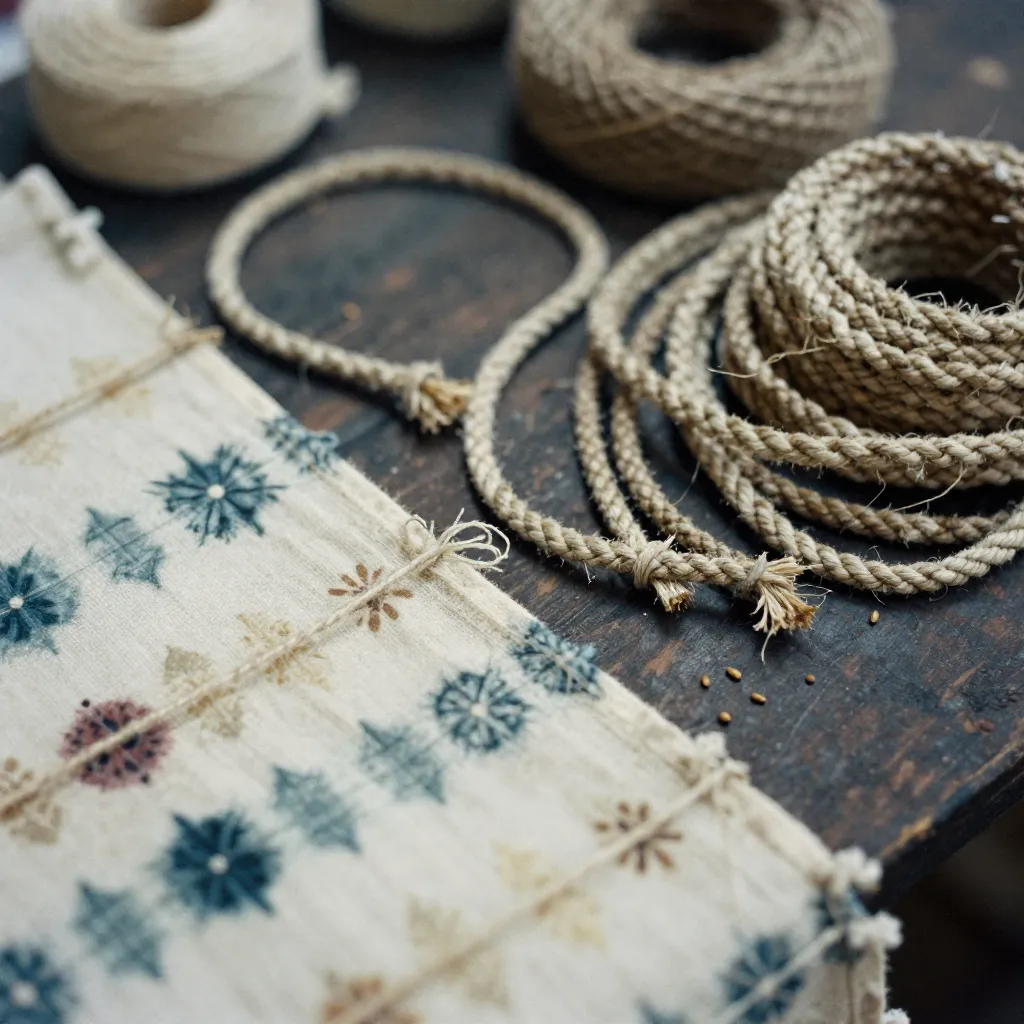
Oak Hardwood
Sustainability Rating: ★★★★☆
Origin: Texas Hill Country
Oak is prized for its strength and beautiful grain patterns. Sourced from sustainably managed forests, it's ideal for furniture and structural pieces. The wood ages beautifully, developing a rich patina over time.
Care Tips: Regular oiling maintains the natural luster. Avoid excessive moisture exposure.
Best For: Furniture, cutting boards, architectural elements
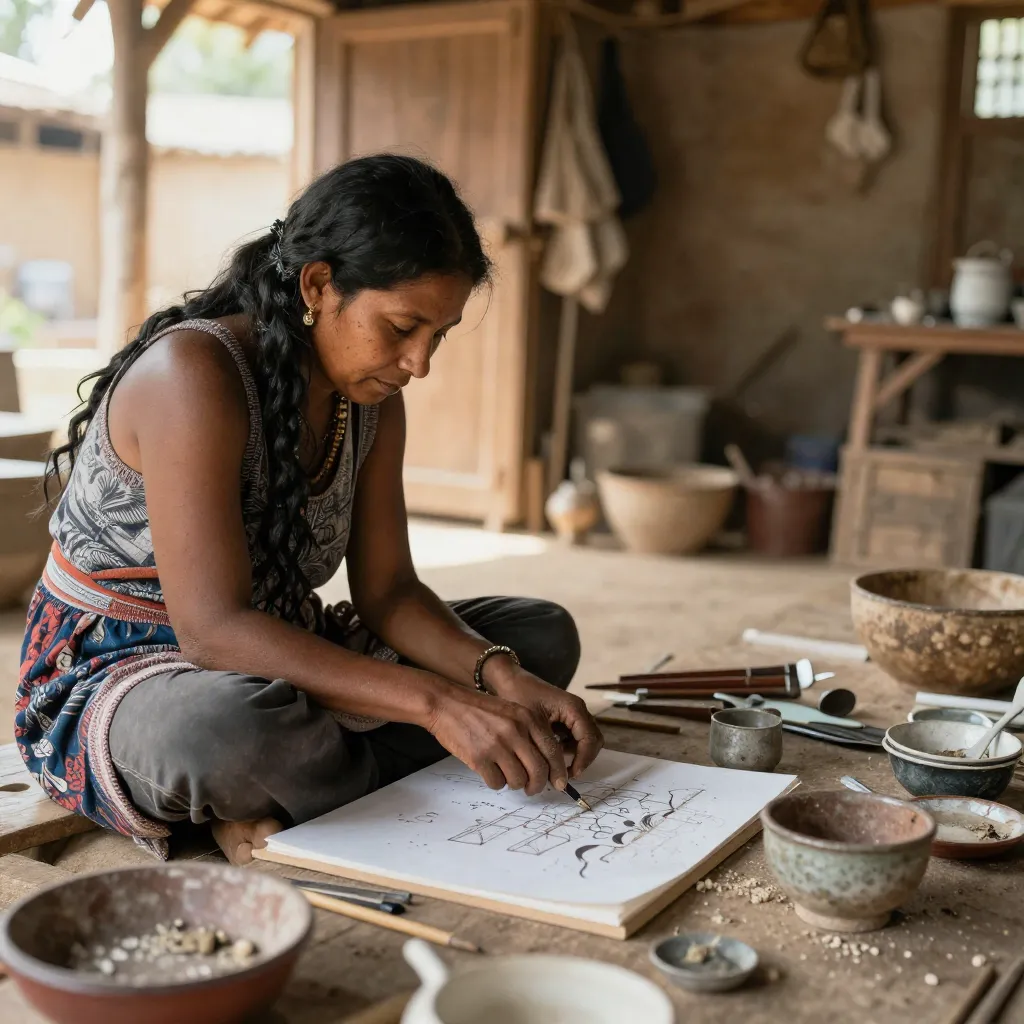
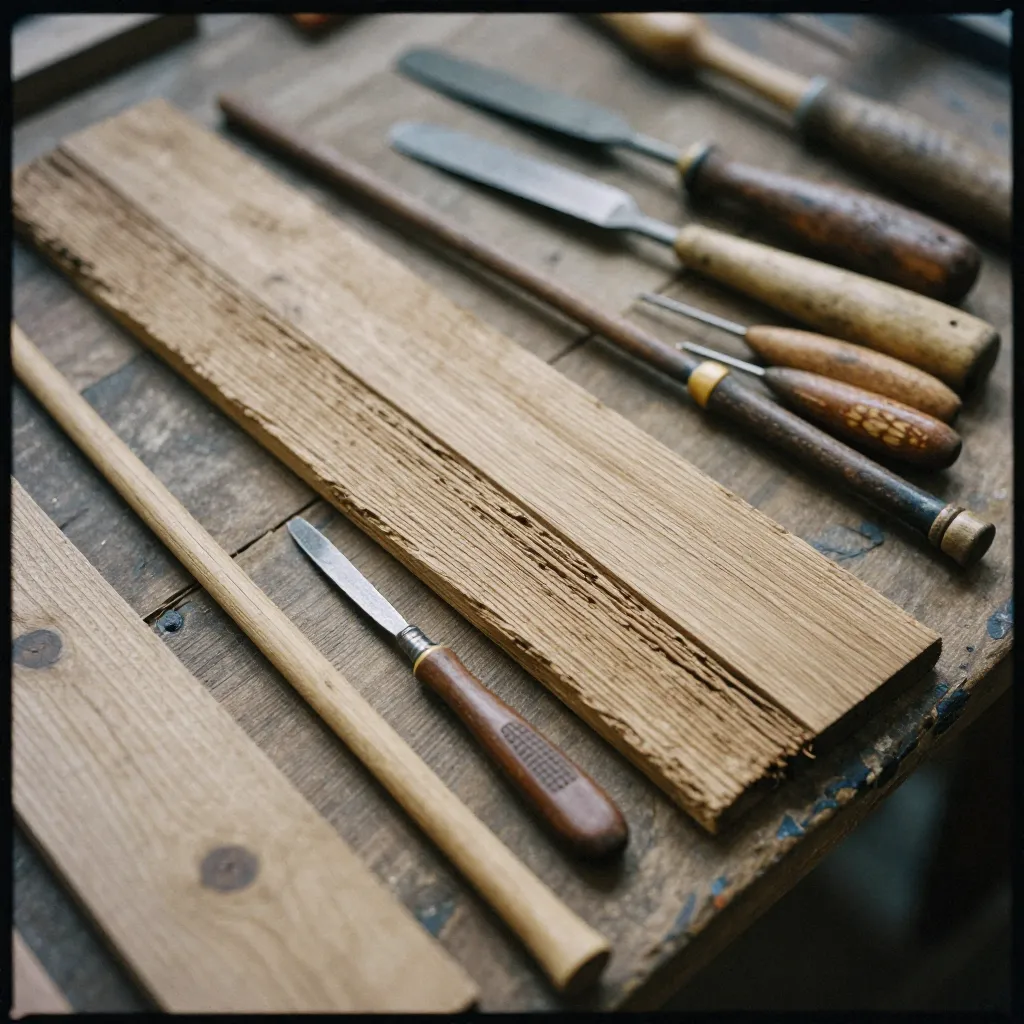
Reclaimed Pine
Sustainability Rating: ★★★★★
Origin: Regional Barn Salvage
Reclaimed pine from old barns offers unique character with nail holes, weathering, and rich patina. This sustainable option preserves history while creating new pieces with authentic charm.
Care Tips: Minimal maintenance required. The aged surface is naturally protected.
Best For: Decorative pieces, accent walls, rustic furniture
Clays & Ceramic Materials
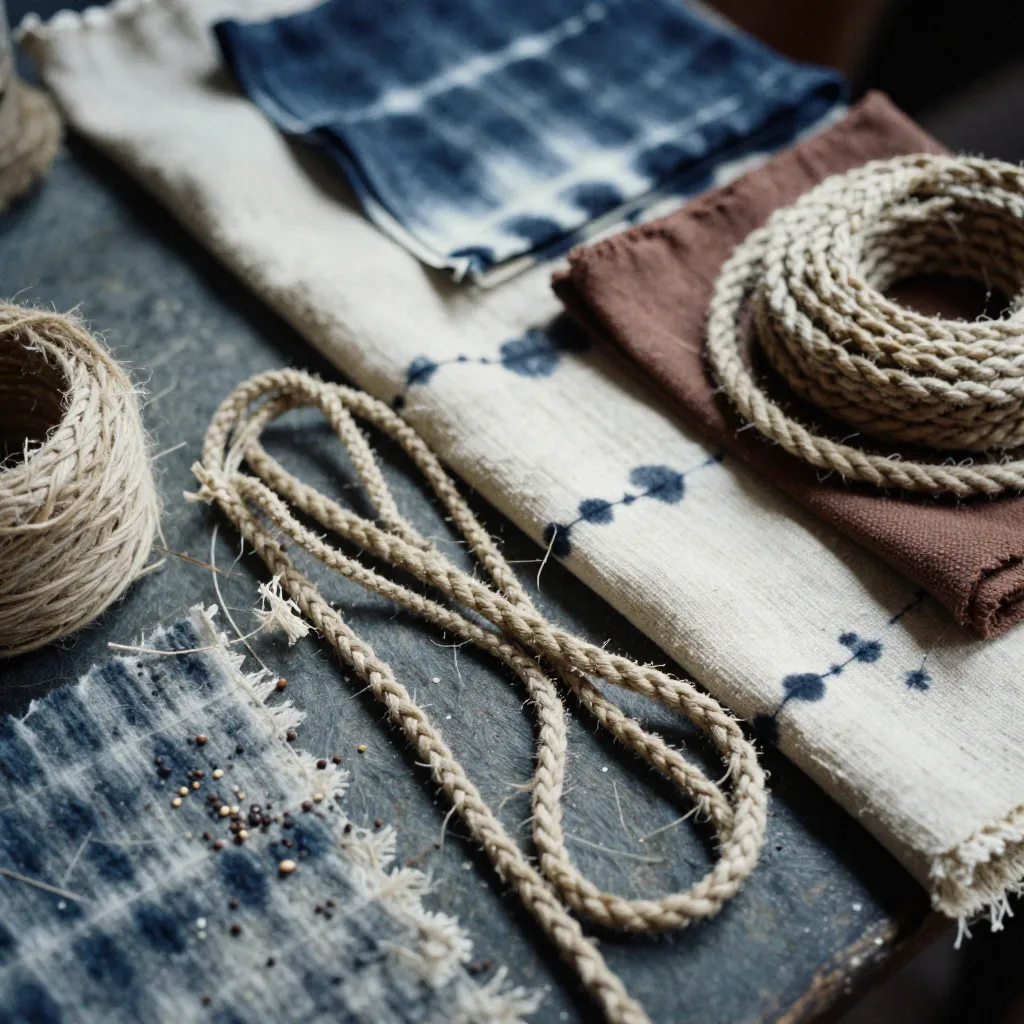
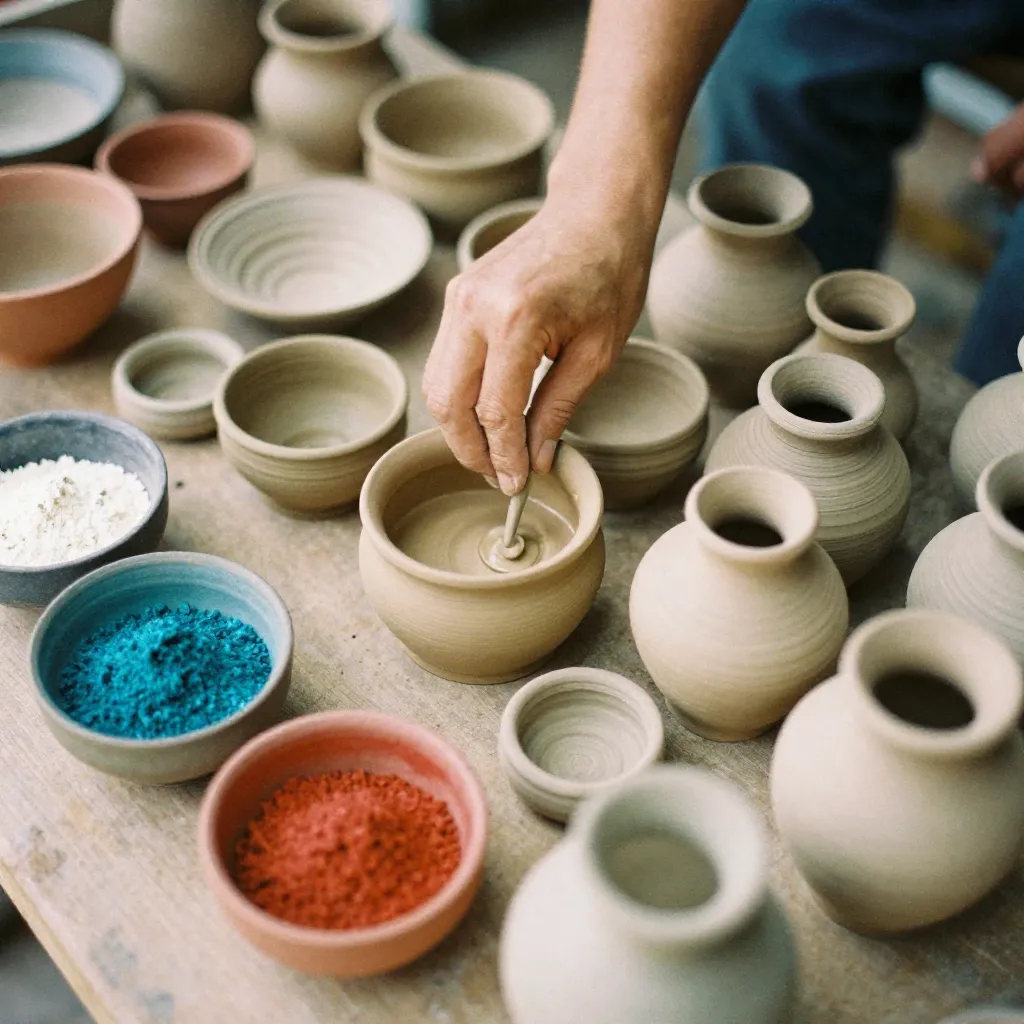
Earthen Clay
Sustainability Rating: ★★★★☆
Origin: Central Texas Deposits
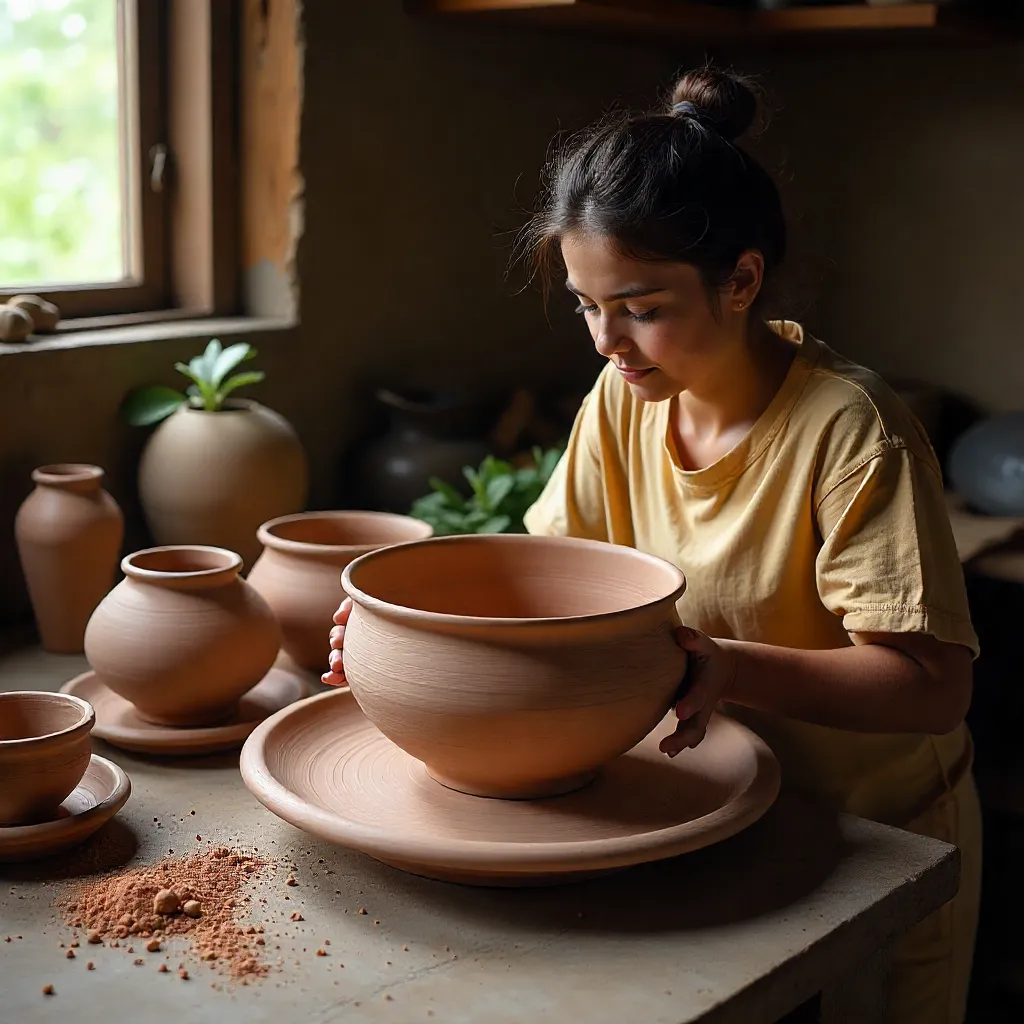
Rich in iron and minerals, this local clay fires to warm earth tones. It's harvested responsibly from surface deposits, ensuring minimal environmental impact. The clay body is excellent for hand-building techniques.
Care Tips: Store in sealed containers to maintain moisture. Wedge thoroughly before use.
Best For: Functional pottery, sculpture, tiles
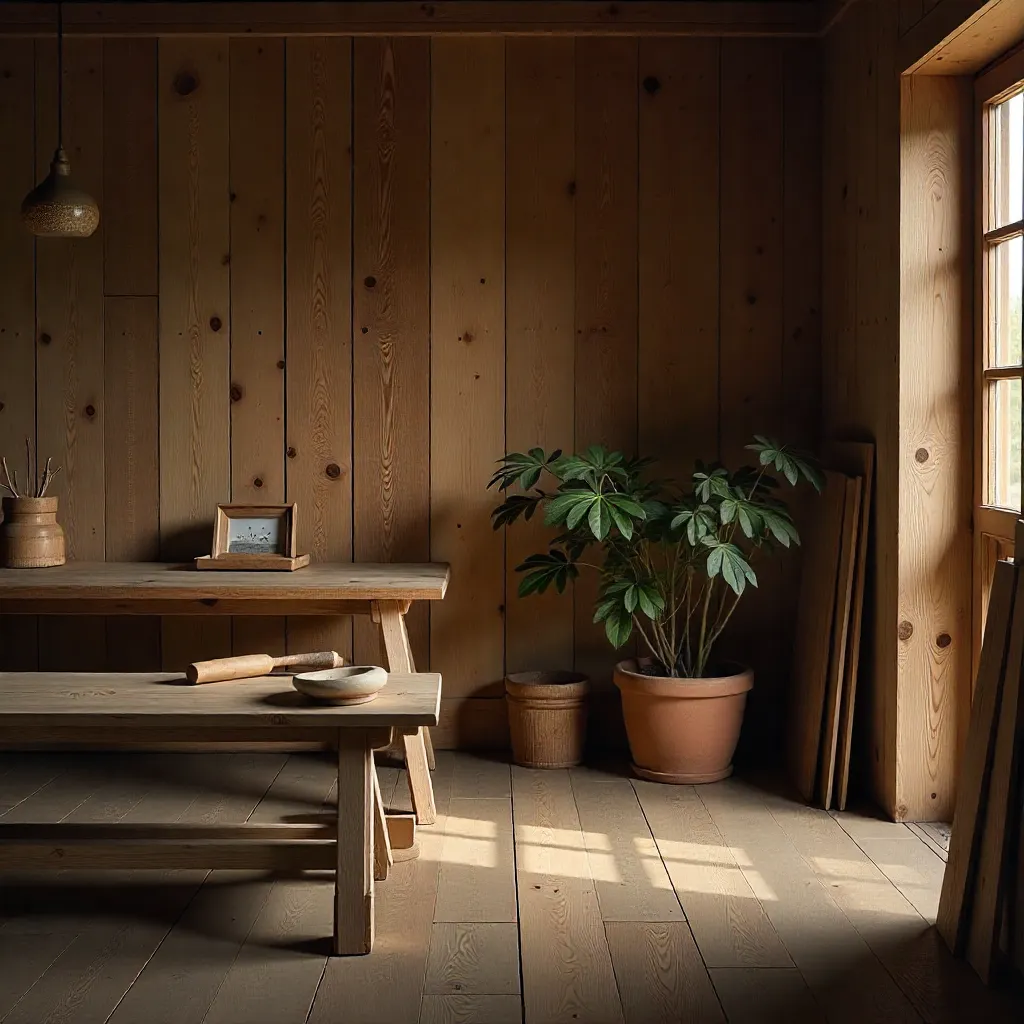
Stoneware Clay
Sustainability Rating: ★★★★☆
Origin: Regional Quarries
Durable stoneware clay perfect for functional pieces. Fires to high temperatures, creating vitrified, non-porous surfaces ideal for food-safe items. Sourced from local quarries with environmental oversight.
Care Tips: Consistent firing temperature ensures quality. Test firing recommended for new batches.
Best For: Dinnerware, baking dishes, storage vessels
Natural Fibers & Textiles
Cotton Fiber
Sustainability Rating: ★★★☆☆
Origin: Texas Cotton Fields
Organic cotton grown without harmful pesticides. The fibers are processed using traditional methods that preserve their natural softness and strength. Perfect for textiles and mixed-media projects.
Care Tips: Gentle washing preserves fiber integrity. Air dry when possible.
Best For: Clothing, home textiles, art projects

Hemp Fiber
Sustainability Rating: ★★★★★
Origin: Regional Hemp Farms
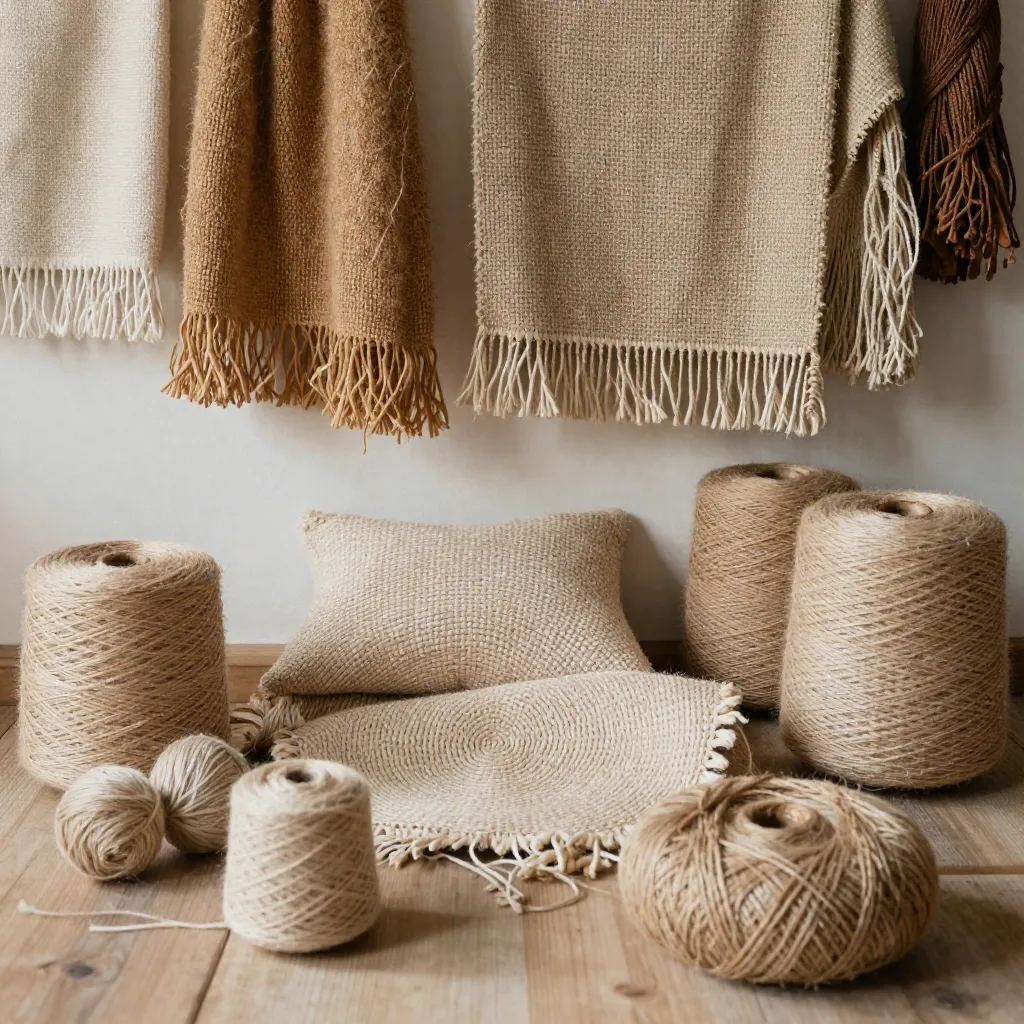
Hemp is one of the most sustainable fiber crops, requiring minimal water and no pesticides. The strong, durable fibers are perfect for rope, canvas, and heavy-duty textiles. Grows quickly and enriches the soil.
Care Tips: Strong and resilient. Regular washing actually improves softness over time.
Best For: Bags, canvas, rope, durable textiles
Material Origin Maps
Explore the geographic origins of our locally sourced materials. Each source location is carefully selected for quality and sustainability practices.
Material Textures
Click to explore the tactile qualities of each material. Visual textures help you understand the character and feel of locally sourced materials.
Material Usage Tips
Selecting Materials
Consider your project's requirements: durability, appearance, workability, and sustainability. Local materials often offer unique characteristics that mass-produced alternatives cannot match.
Storage & Care
Proper storage extends material life. Keep wood dry and well-ventilated, store clay in sealed containers, and protect natural fibers from direct sunlight.
Sustainability First
Choose materials with high sustainability ratings and known origins. Supporting responsible sourcing ensures materials remain available for future generations.